
Hero image

What is ADAS and how does it work?

The term ADAS covers a variety of safety features and technologies designed to help drivers operate vehicles more safely and more efficiently. These systems utilise a combination of sensors, cameras and radar to monitor what is going on around the vehicle, so it can detect potential hazards and provide timely alerts or interventions to help prevent accidents.

The different types of ADAS

Collision avoidance systems

These systems use sensors to detect obstacles or vehicles in the vehicle’s path and provide warnings or automatically apply brakes to avoid collisions. While automatic braking is a part of this system, it doesn’t tell the whole story.

Lane departure warning

This alerts the driver if the vehicle drifts out of its lane without signalling and may also provide corrective steering to keep the vehicle within its lane. This is particularly useful on those long motorway stretches where staying focused can be difficult, but lane discipline is vital.

Adaptive cruise control (ACC)

This allows the driver to maintain a set speed while automatically adjusting the vehicle’s speed to maintain a safe distance from vehicles ahead. So if you want to cruise at 60, your vehicle will do so until it gets too close to the vehicle in front, and then it will slow down accordingly.

Blind spot monitoring

This alerts the driver if there is a vehicle in the blind spot during lane changes, reducing the risk of collisions, very handy if your car has large window pillars or you want extra reassurance after looking behind you.

Automatic emergency braking (AEB)

AEB automatically applies the brakes to prevent or reduce the severity of collisions if the driver doesn’t respond to collision warnings in time.

Parking assistance systems

This will help drivers park by providing visual or auditory cues to guide them into parking spaces. Some newer vehicles even have self-park functions, where the system will scan the car park for a spot and then park for you – all the driver has to do is change gear and use the accelerator as necessary.

When Is ADAS Calibration Necessary?

Knowing exactly when to schedule ADAS calibration is essential for keeping your vehicle’s advanced driver-assistance systems performing safely and accurately. Misaligned sensors can compromise features like lane-keeping assist, adaptive cruise control, collision avoidance, and surround view cameras. In many cases, ADAS calibration isn’t just recommended, it’s required to restore your vehicle to manufacturer specifications.

1. After Windshield Replacement

Many forward-facing ADAS cameras are mounted directly on or near the windshield. Even the slightest change in their position, caused by removing or installing a new windshield, can throw off alignment. Performing ADAS calibration after a windshield replacement ensures systems like automatic emergency braking, forward collision warnings, and lane departure warnings continue working as intended.

2. Following a Collision

Whether it’s a major accident or a low-speed fender-bender, the impact can shift or misalign sensors and cameras. Post-collision repairs, especially those involving bumpers, body panels, or structural components, should always include ADAS calibration to verify that detection and warning systems operate correctly.

3. Suspension or Wheel Alignment Changes

Suspension repairs, ride height adjustments, or even a standard wheel alignment can alter the positioning of ADAS sensors. Because ADAS sensors rely on precise positioning to monitor lane lines and surrounding traffic, ADAS calibration after these changes is crucial for maintaining accuracy.

4. Sensor Replacement or Repair

Replacing or repairing any ADAS component, such as a radar unit, LiDAR sensor, or surround view camera, requires calibration. Without it, new parts may not communicate properly with the vehicle’s onboard systems, leading to delayed or incorrect responses.

5. Dashboard Warning Lights or Error Messages

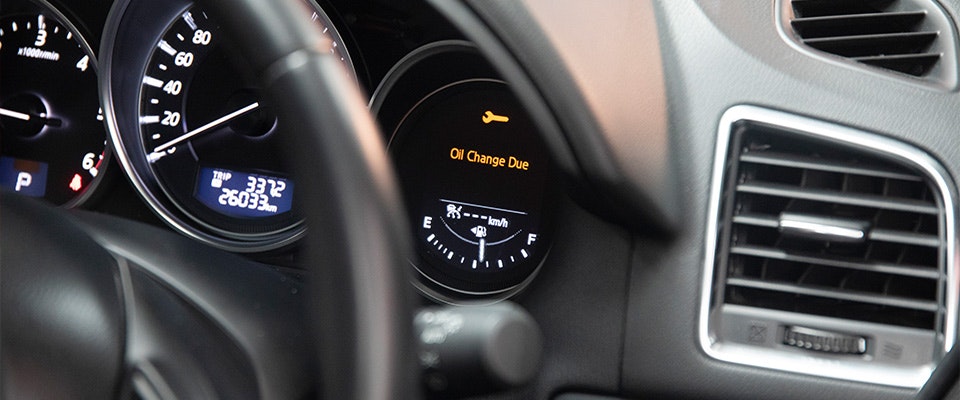
If your dashboard displays alerts related to ADAS functions, it may indicate that a sensor is out of alignment or malfunctioning. In many cases, ADAS calibration can resolve these issues by confirming correct sensor placement and restoring system performance.

What Happens If ADAS Calibration Is Skipped or Done Incorrectly?

ADAS calibration is not just a procedural step, it directly affects how a vehicle interprets the world around it. When sensors are not calibrated correctly, the data they send to the vehicle’s control systems can be inaccurate or delayed. This can cause ADAS features to behave unpredictably or fail entirely.

For example, a forward-facing camera that is even slightly misaligned may misjudge lane markings or the distance to a vehicle ahead. A radar sensor that is improperly aimed could fail to detect an approaching car or trigger warnings too late. In more severe cases, systems like automatic emergency braking or lane keeping assist may activate when they shouldn’t or fail to activate when they are needed most.

Improper ADAS calibration can also lead to dashboard warning lights, system shutdowns, or disabled safety features. Because many ADAS sensors do not alert drivers when they are out of alignment, these issues may go unnoticed until a near-miss or collision occurs.

From a liability standpoint, skipping calibration or performing it incorrectly can expose repair facilities to serious risk. Vehicles returned to customers without properly functioning ADAS systems may not meet OEM safety standards, increasing the potential for accidents and legal consequences. This is why following OEM calibration procedures and documentation is critical for any shop working on ADAS-equipped vehicles.

Related articles

Thumbnail for Driving the Future with Digital Diagnostics and Smart Systems
Article
Driving the Future with Digital Diagnostics and Smart Systems

Today’s vehicles are packed with complex electronics, smart systems, and EV technology. That’s why we’ve invested heavily in advanced digital diagnostic equipment, giving us the ability to analyse every system in a vehicle simultaneously

Read more

Thumbnail for NexDrive at Allpoint Automotive
Article
NexDrive at Allpoint Automotive

Our team of certified technicians undergoes regular training to stay up-to-date with the latest advancements in vehicle technology.

Read more
Thumbnail for Don't Let Software Bugs Kill Your Car's Performance
Article
Don't Let Software Bugs Kill Your Car's Performance

Allpoint Automotive specialises in ECU fault diagnostics and sensor repairs. Book now for expert service on modern petrol, diesel, and hybrid cars in Tullamarine.

Read more